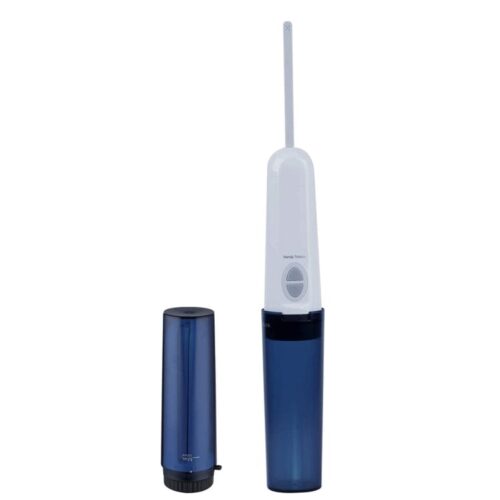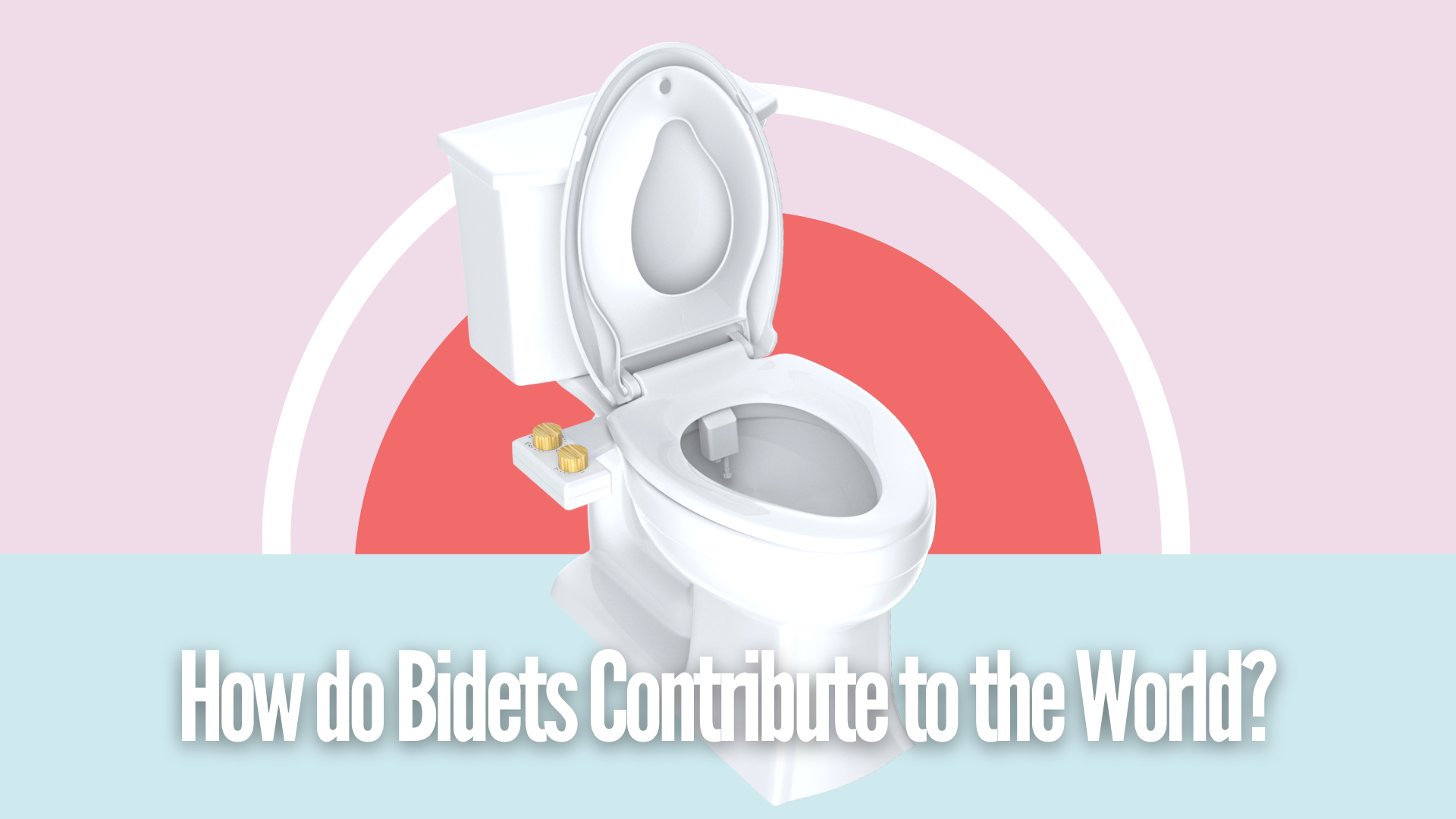
Bidets, a personal hygiene device that uses water to clean your undercarriage, have been around for centuries. However, in recent years, they have gained more popularity, especially in countries like Japan, where they are a common fixture in most homes. Bidets offer several benefits, not just to individuals, but also to the world at large. In this blog, we will explore how bidets contribute to the world and back it up with some statistics.
- Reducing Toilet Paper Usage
The average person uses around 100 rolls of toilet paper per year, which equates to approximately 50 pounds of toilet paper per person. Toilet paper is a significant contributor to deforestation and wastewater pollution. Bidets can help reduce toilet paper usage by up to 75%, reducing the strain on forests and the environment.
According to a report by the Water Environment Federation, the use of bidets could potentially reduce toilet paper production by up to 50%. This would significantly reduce the number of trees required to make toilet paper, which would help in conservation efforts.
- Saving Water
Bidets use water to clean, which can help save water in the long run. According to a report by TOTO, a leading manufacturer of bidets in Japan, the use of bidets can save up to 5.5 gallons of water per day per person. This is because bidets use less water than it takes to manufacture toilet paper. In areas with water scarcity, bidets can play a significant role in conserving water.
- Promoting Good Hygiene
Bidets are more hygienic than traditional toilet paper, which can spread germs and bacteria. According to a study conducted by the American Society for Microbiology, toilet paper can spread bacteria such as E.coli and C.difficile, which can cause infections. Bidets can help prevent the spread of these bacteria and promote good hygiene.
- Improving Health
Bidets can also help improve health in various ways. For example, they can help reduce the risk of hemorrhoids, UTIs, and yeast infections. According to a study published in the Journal of Urology, bidet use significantly reduced the risk of hemorrhoids and other anal diseases. Bidets can also help improve bowel movements and reduce constipation, which can be beneficial for people with digestive issues.
Bidets have several benefits, not just to individuals, but also to the world at large. By reducing toilet paper usage, saving water, promoting good hygiene, and improving health, bidets can play a significant role in sustainable living. As more people become aware of the benefits of bidets, we can expect to see an increase in their usage, leading to a healthier and more sustainable future.